
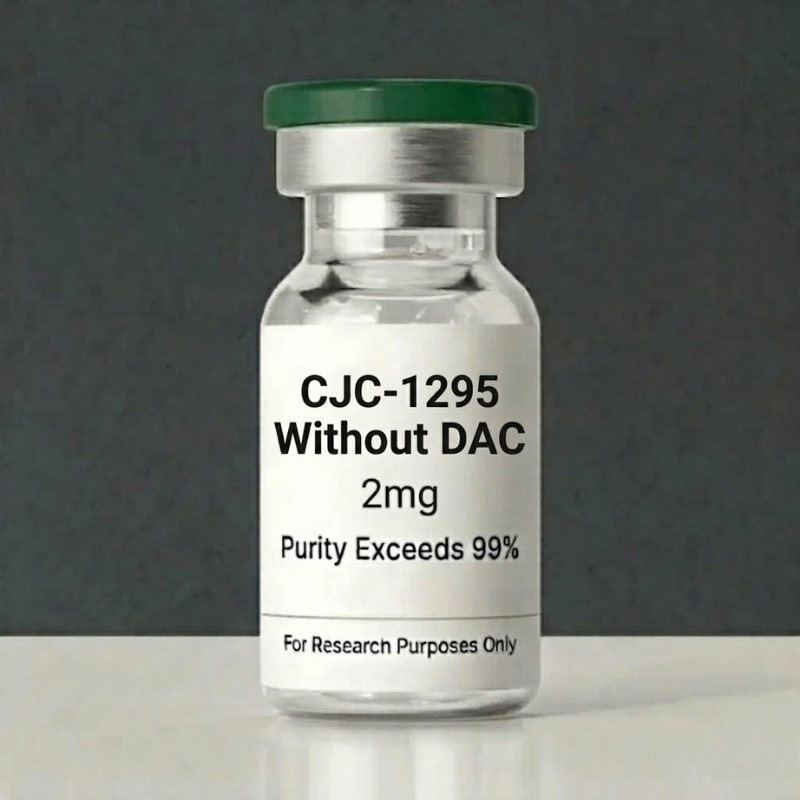



CJC-1295 Without DAC | Mod GRF 1-29 | 2mg-10mg | >99% Purity
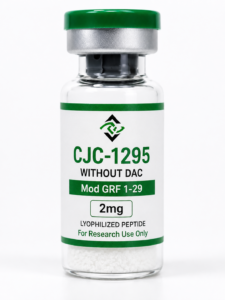
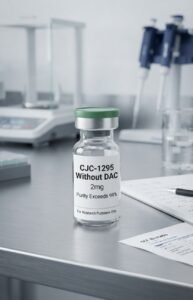
CJC-1295 Without DAC, also known as Mod GRF 1-29, is a synthetic peptide used in laboratory and scientific research. This research product is available in 2mg to 10mg options and is presented with a stated purity of >99%.
For researchers working with peptide materials, consistency and clear product information are important. Therefore, this product is presented with a straightforward specification, defined quantity options, and research-focused documentation.
CJC-1295 Without DAC is particularly relevant to researchers studying peptide structure, laboratory assay systems, analytical methods, and related research models. At the same time, it should be handled only within an appropriate laboratory environment by qualified personnel.
⚠️ Research Use Only: CJC-1295 Without DAC is supplied for laboratory research and analytical purposes only. It is not intended for human or veterinary use, diagnosis, treatment, prevention, or consumption.
🧬 What Is CJC-1295 Without DAC?
CJC-1295 Without DAC is a peptide research material commonly identified with Mod GRF 1-29. The “Without DAC” designation distinguishes this form from CJC-1295 formulations that contain the Drug Affinity Complex.
In peptide research, small structural differences can matter. Therefore, identifying the exact peptide format is essential when designing experiments, comparing samples, or reviewing analytical results.
Mod GRF 1-29 is associated with a defined peptide sequence used in laboratory research. Researchers may examine its characteristics through appropriate analytical techniques and controlled experimental models.
The product is offered in different quantities so laboratories can select an option that better fits their research requirements.
Key Product Specifications
| Specification | Details |
|---|---|
| Product | CJC-1295 Without DAC |
| Alternative Name | Mod GRF 1-29 |
| Product Type | Research Peptide |
| Available Amounts | 2mg–10mg |
| Stated Purity | >99% |
| Intended Use | Laboratory Research Only |
| Format | Research Peptide Material |
| Human Use | Not for human use |
| Veterinary Use | Not for veterinary use |
Important: Product specifications should always be reviewed alongside the applicable batch documentation before laboratory use.
🔬 CJC-1295 Without DAC for Research
CJC-1295 Without DAC can be relevant to several areas of peptide-focused laboratory research. Researchers may use peptide materials to investigate molecular characteristics, analytical behavior, formulation variables, and experimental assay responses.
However, research outcomes depend on many factors. These can include sample preparation, laboratory conditions, analytical equipment, assay design, and experimental controls.
Therefore, this product should not be viewed as a standalone solution for any biological or medical objective.
Instead, it is best considered a defined research material for controlled scientific work.
Research Areas
Researchers may consider CJC-1295 Without DAC when working with:
- Peptide characterization
- Analytical chemistry
- Laboratory assay development
- Peptide stability studies
- Research-model investigations
- Comparative peptide analysis
- Sample preparation studies
- Quality-control procedures
- Research methodology development
The exact suitability of a peptide depends on the intended experimental protocol. Consequently, researchers should establish their own procedures and validation requirements.
🧪 Understanding the “Without DAC” Format
The term DAC refers to the Drug Affinity Complex associated with certain CJC-1295 research formulations.
CJC-1295 Without DAC is therefore a distinct research format. This distinction is important because researchers may be comparing different peptide structures or formulations.
When ordering research materials, accurate identification helps prevent confusion between related products.
For that reason, the product name clearly identifies:
CJC-1295 Without DAC → Mod GRF 1-29 → 2mg–10mg → >99% Purity
This simple identification system can make product selection easier and can also help researchers maintain better records.
Why Product Identification Matters
Accurate product identification supports better laboratory organization.
For example, researchers may need to record:
- Product name
- Peptide format
- Quantity
- Batch or lot information
- Stated purity
- Storage conditions
- Date received
- Experimental application
Good documentation can make later analysis easier. Furthermore, clear records help researchers compare results between experiments.
📊 Available CJC-1295 Without DAC Options
Different laboratory projects can require different sample quantities. Therefore, CJC-1295 Without DAC is offered across a 2mg–10mg range.
The appropriate quantity should be selected according to the research protocol, sample requirements, and laboratory workflow.
| Option | Suitable For |
|---|---|
| 2mg | Smaller research projects and preliminary laboratory work |
| 5mg | Routine research and comparative testing |
| 10mg | Larger research workflows and extended laboratory studies |
These options are provided for research planning purposes. Actual requirements will vary depending on the experimental design.
🧫 Quality and Purity Information
Purity is an important consideration when selecting research peptides.
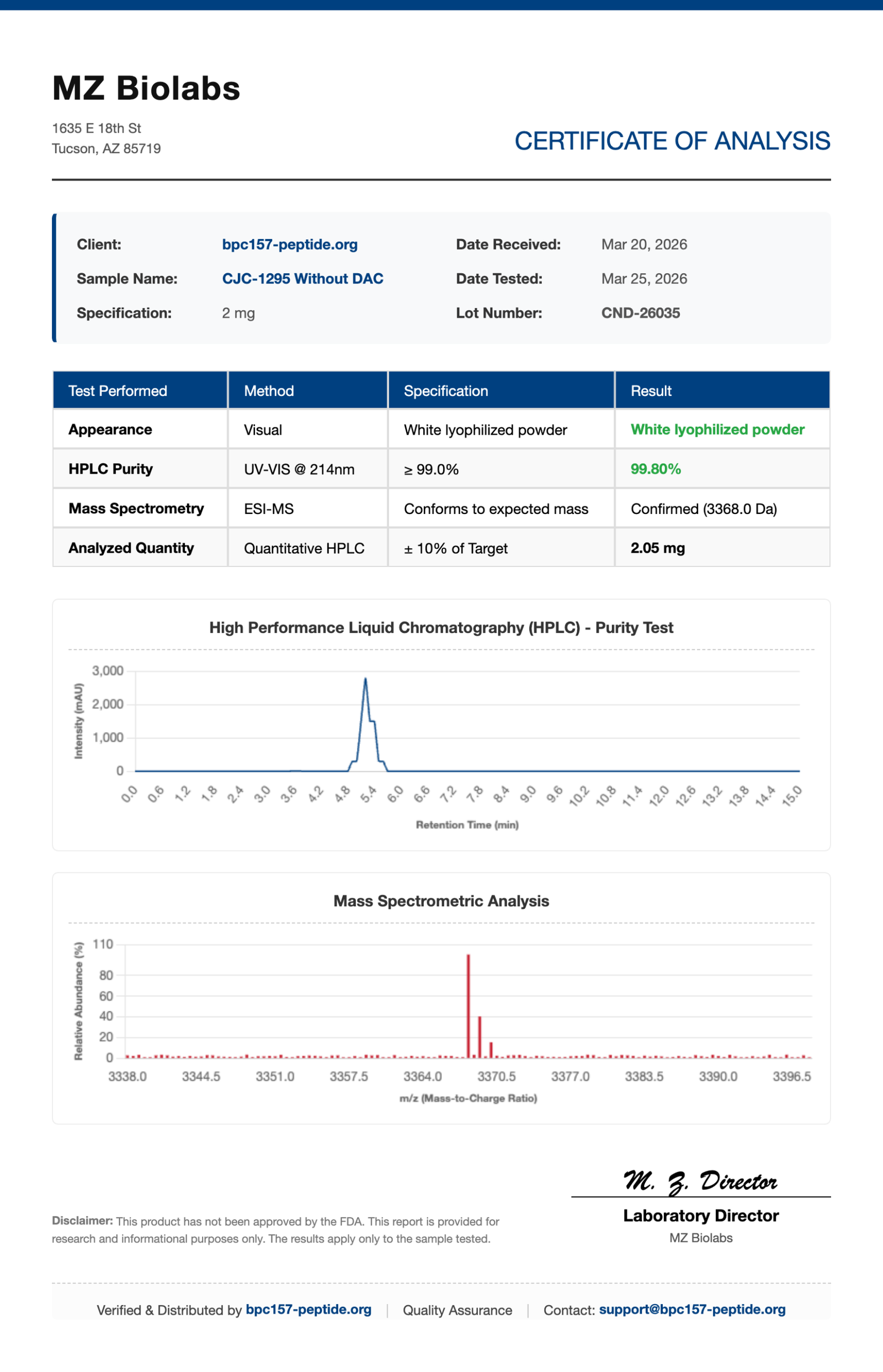
This CJC-1295 Without DAC product is listed with a stated purity of >99%. Researchers should still review available quality documentation and batch-specific information where applicable.
A stated purity figure provides useful product information, but it does not replace proper laboratory verification.
Therefore, researchers should use appropriate analytical methods when their experimental protocol requires independent confirmation.
📑 Laboratory Documentation
Research materials benefit from clear documentation.
Depending on availability, documentation may include product identification, batch information, purity information, or analytical data.
Such documentation can help researchers organize their materials before beginning laboratory work.
What Researchers Should Review
Before using a research peptide, consider reviewing:
- Product identity
- Batch or lot number
- Stated purity
- Available analytical information
- Storage recommendations
- Handling instructions
- Quantity supplied
- Laboratory requirements
In addition, researchers should maintain their own laboratory records according to their internal procedures.
🔍 CJC-1295 Without DAC and Analytical Research
Analytical research plays an important role in peptide science.
Researchers can use established laboratory methods to examine peptide-related characteristics. Depending on the study, analytical approaches may include techniques designed to assess identity, purity, molecular characteristics, or stability.
The exact method should be selected according to the research question.
For example, one laboratory may be interested in peptide identification. Another may focus on sample stability. A third may compare analytical results between different research materials.
Consequently, there is no single analytical approach that fits every research project.
Research Considerations
When planning work with CJC-1295 Without DAC, researchers should consider:
Sample Preparation:
Consistent preparation can help improve experimental repeatability.
Analytical Method:
The selected method should match the research objective.
Storage:
Research peptides should be stored according to appropriate laboratory handling requirements.
Documentation:
Batch and sample records should be maintained throughout the project.
Controls:
Appropriate controls should be included when required by the research protocol.
🧬 Why Researchers May Study Mod GRF 1-29
Peptide research often focuses on how molecular structure relates to measurable laboratory characteristics.
Mod GRF 1-29 provides researchers with a defined peptide material for controlled investigation. Its specific structure makes accurate identification particularly important.
Researchers can therefore use established scientific methods to investigate the material under controlled conditions.
At the same time, experimental observations should not automatically be interpreted as clinical outcomes.
Laboratory findings require appropriate study design, controls, analysis, and scientific interpretation.
⚗️ CJC-1295 Without DAC Research Workflow
A structured workflow can make peptide research easier to manage.
Step 1 — Identify the Material
First, confirm that the material is CJC-1295 Without DAC / Mod GRF 1-29.
Check the product label and available documentation.
Step 2 — Review the Documentation
Next, review available product and batch information.
This step helps researchers confirm that the material matches the planned experiment.
Step 3 — Establish Laboratory Conditions
Then, prepare the appropriate laboratory environment.
Researchers should follow their own validated procedures for sample handling and preparation.
Step 4 — Conduct the Research
After preparation, the material can be incorporated into an appropriate research protocol.
All experimental work should be performed by qualified personnel.
Step 5 — Record Results
Finally, record observations and analytical findings.
Clear records can make future comparisons much easier.
📦 Product Handling and Research Responsibility
Research peptides should be handled carefully.
Because peptide materials can be sensitive to environmental conditions, laboratories should follow suitable handling and storage procedures.
Furthermore, researchers should avoid unnecessary exposure to heat, moisture, contamination, or inappropriate handling conditions.
The exact storage approach should follow the applicable product documentation and laboratory procedures.
Responsible Research Practices
Responsible research involves more than selecting a peptide.
It also involves:
- Appropriate laboratory facilities
- Qualified personnel
- Proper documentation
- Suitable analytical methods
- Controlled experimental conditions
- Correct waste handling
- Appropriate protective equipment
- Compliance with applicable laboratory rules
These practices help create a more organized research environment.
🧪 CJC-1295 Without DAC for Peptide Studies
CJC-1295 Without DAC may be included in peptide-focused research where a defined Mod GRF 1-29 material is required.
Researchers may compare peptide materials based on identity, purity, analytical characteristics, or experimental behavior.
However, each research project is different.
Therefore, researchers should determine whether this material is appropriate for their specific protocol before beginning work.
Research Data Should Be Interpreted Carefully
Scientific data should always be evaluated within the context of the experimental design.
A laboratory observation does not automatically establish a broader biological, therapeutic, or clinical conclusion.
For that reason, researchers should rely on appropriate controls, validated methods, repeat measurements, and scientific review when interpreting results.
📋 CJC-1295 Without DAC at a Glance
| Feature | Product Information |
|---|---|
| Name | CJC-1295 Without DAC |
| Also Known As | Mod GRF 1-29 |
| Research Category | Peptide Research |
| Quantity Range | 2mg–10mg |
| Stated Purity | >99% |
| Intended Application | Laboratory Research |
| Product Focus | Peptide Research Material |
| Documentation | Review applicable batch information |
| Human Consumption | Not intended |
| Veterinary Application | Not intended |
🧠 Choosing the Right Research Quantity
Selecting the right quantity depends on the planned research.
A smaller quantity may be appropriate for an initial project or limited analytical work. Meanwhile, a larger quantity may be more convenient for repeated experiments.
Researchers should therefore consider their expected sample requirements before ordering.
For example, a laboratory conducting preliminary work may prefer a smaller option. In contrast, a research group performing multiple controlled experiments may require a larger quantity.
The goal is simple: select the amount that fits the laboratory’s documented research plan.
🧬 Research Peptide Identification
Clear identification is especially useful when multiple related peptide products are being studied.
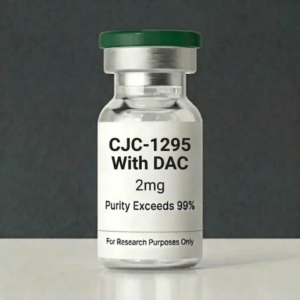
CJC-1295 Without DAC should not be confused with CJC-1295 formulations containing DAC.
The product name Mod GRF 1-29 further helps identify the intended research material.
Researchers should retain the product name, quantity, batch information, and other applicable details in their laboratory records.
This approach can help reduce sample confusion and support better experimental organization.
📊 Research Quality Checklist
Before starting laboratory work, researchers can use a simple checklist.
Sure — make it compact and narrow like this:
| Checklist | Status |
|---|---|
| Product identity | ✓ Confirmed |
| Quantity | ✓ Confirmed |
| Batch information | ✓ Recorded |
| Purity information | ✓ Reviewed |
| Documentation | ✓ Reviewed |
| Storage requirements | ✓ Reviewed |
| Laboratory protocol | ✓ Established |
| Research controls | ✓ Prepared |
| Research records | ✓ Prepared |
This checklist can support a more organized research workflow.
⚠️ Important Research-Use Notice
CJC-1295 Without DAC is offered as a research-use material.
It is not marketed as a medicine, dietary supplement, or therapeutic product.
It is not intended for human consumption or veterinary use. It should not be used to diagnose, treat, cure, or prevent any disease or medical condition.
Researchers are responsible for using the material in an appropriate laboratory setting and following applicable laws, institutional requirements, safety procedures, and research protocols.
If independent testing is required for a specific project, researchers should use an appropriate analytical laboratory and validated testing method.
🔬 Why Documentation Matters in Research
Good documentation creates a stronger connection between the physical sample and the research record.
For each experiment, researchers may record the product identity, batch information, quantity, date received, storage conditions, and experimental conditions.
Then, if an unexpected result occurs, those records can help researchers review the process.
In addition, organized documentation can make repeated experiments easier to compare.
Therefore, documentation should be considered part of the research workflow rather than an optional extra.
🧪 Research-Focused Product Presentation
At Vital Core Lab, research products can be presented with clear specifications and straightforward information.
For CJC-1295 Without DAC, the key product identifiers are easy to understand:
CJC-1295 Without DAC
Mod GRF 1-29
2mg–10mg
>99% stated purity
This format helps researchers quickly identify the material they are reviewing.
Furthermore, the product page should remain focused on research information rather than unsupported medical promises.
📌 Frequently Asked Questions About CJC-1295 Without DAC
What is CJC-1295 Without DAC?
CJC-1295 Without DAC is a synthetic peptide research material also identified as Mod GRF 1-29. It is supplied for laboratory research and analytical applications.
What does “Without DAC” mean?
“Without DAC” identifies a CJC-1295 format that does not contain the Drug Affinity Complex associated with DAC-containing formulations.
What quantities are available?
This product is offered in 2mg–10mg options.
What is the stated purity?
The product is listed with a stated purity of >99%. Researchers should review applicable documentation and conduct independent testing when required by their protocol.
Is CJC-1295 Without DAC intended for human use?
No. This product is intended for laboratory research purposes only and is not intended for human consumption or veterinary use.
How should researchers select a quantity?
Quantity selection should be based on the laboratory’s research design, sample requirements, and planned experimental workload.
Does this product include medical claims?
No. The product is presented as a research material and should not be interpreted as a medical or therapeutic product.
🧾 Final Product Summary
CJC-1295 Without DAC, also known as Mod GRF 1-29, is a defined peptide research material offered in 2mg–10mg quantities with a stated purity of >99%.
Its clear product identification makes it suitable for consideration in peptide-focused laboratory research, analytical studies, and controlled research workflows.
Most importantly, researchers should focus on accurate identification, appropriate handling, good documentation, and scientifically sound experimental procedures.
Whether conducting preliminary research or a more structured laboratory project, selecting clearly identified research materials can help simplify laboratory organization.
CJC-1295 Without DAC | Mod GRF 1-29 | 2mg–10mg | >99% Purity
⚠️ For Research Use Only. Not for Human or Veterinary Use.

Reviews
There are no reviews yet.