



🧬 SS-31 Mitochondrial Peptide for Laboratory Research
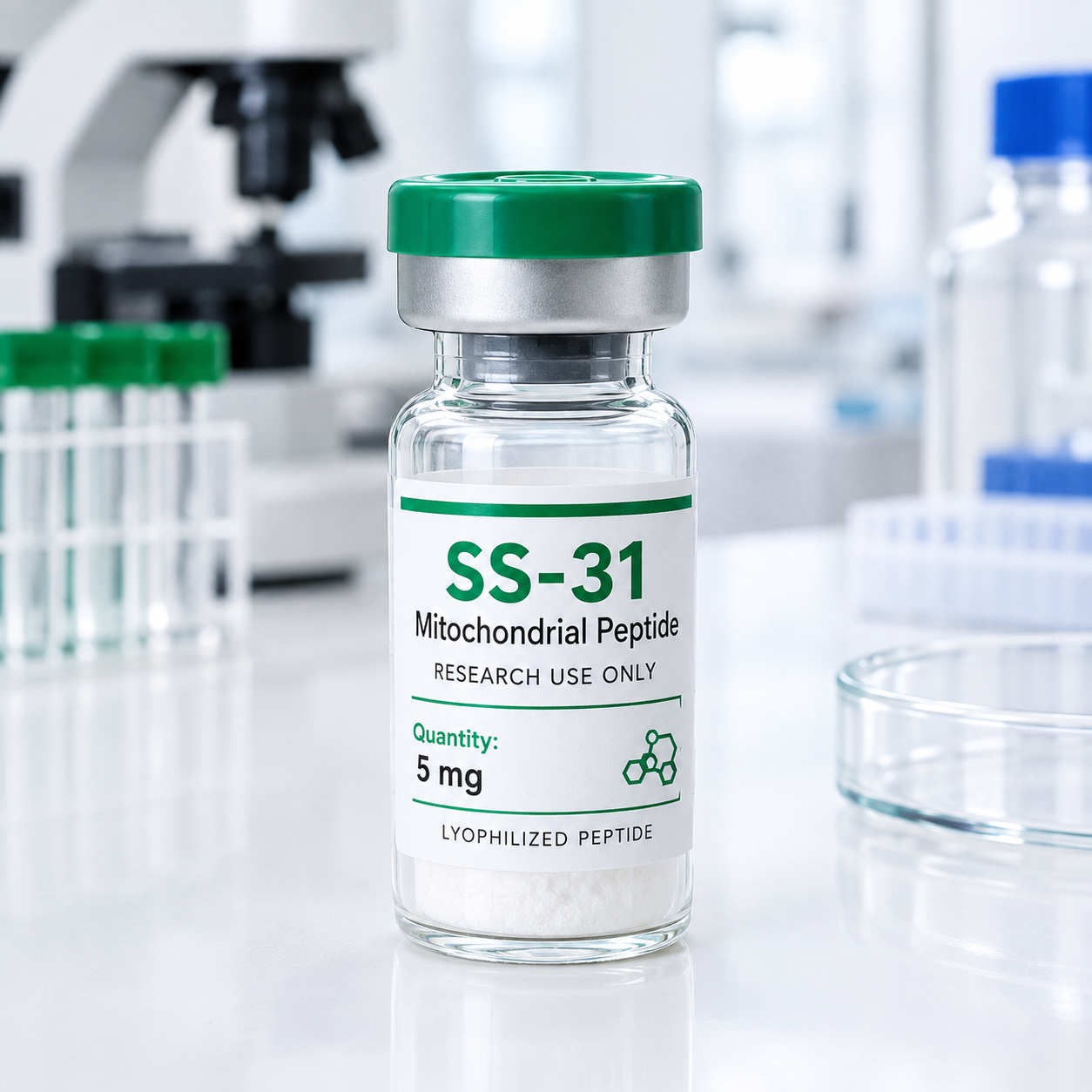
SS-31 is a synthetic mitochondrial-targeted peptide that has attracted significant interest in laboratory research involving mitochondrial biology, cellular energy systems, oxidative processes, and peptide characterization.
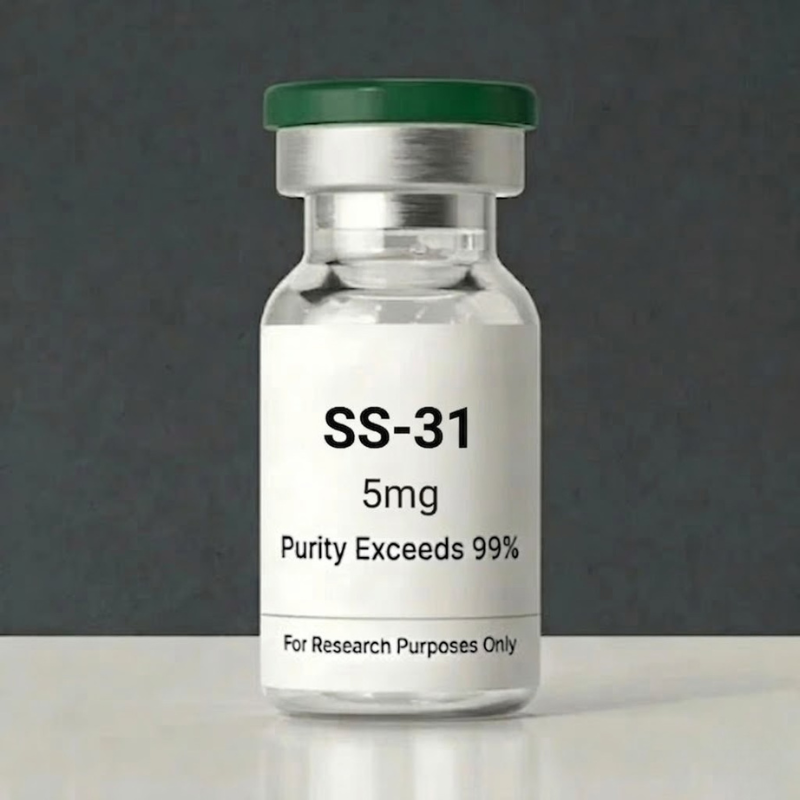
At Vital Core Lab, SS-31 is presented as a research-use product for qualified laboratory and scientific applications. The product is available in 5mg, 10mg, 20mg, 30mg, and 50mg vial options, depending on the selected configuration.
With a stated purity of >99%, SS-31 provides researchers with a defined peptide material for analytical and experimental work. As a result, it can serve as a useful reference material when studying peptide characteristics and mitochondrial research models.
Importantly, this product is not presented as a medication, dietary supplement, or therapeutic product. Instead, the focus is on laboratory research, analytical characterization, and scientific investigation.
🔬 What Is SS-31?
SS-31 is a short synthetic peptide commonly studied in connection with mitochondrial research. It is also known in scientific literature as a mitochondria-targeted peptide.
Unlike many conventional peptides, SS-31 has been investigated for its ability to interact with mitochondrial environments. Therefore, it has become an interesting research subject in studies involving mitochondrial structure and function.
Mitochondria play a central role in cellular energy production. They are also involved in several interconnected cellular processes. These include redox balance, membrane activity, metabolism, and cellular signaling.
Because mitochondria are highly specialized organelles, researchers continue to investigate how different molecules interact with them.
SS-31 provides one model for this type of investigation.
The peptide is particularly interesting because researchers can examine its physicochemical properties, mitochondrial interactions, and behavior under controlled laboratory conditions.
🧪 Research-Oriented SS-31 Material
For laboratory researchers, a consistent peptide preparation is important. Researchers may need to evaluate identity, purity, stability, and other analytical characteristics before beginning an experiment.
Therefore, SS-31 research material can be considered alongside appropriate laboratory controls and analytical methods.
The material should always be evaluated according to the requirements of the individual research project.
🧬 SS-31 Mitochondrial Peptide Research Focus
Mitochondrial research covers a broad scientific field. Researchers examine how mitochondria produce and manage energy, respond to cellular conditions, and interact with surrounding cellular structures.
SS-31 is relevant to this research because of its mitochondrial-targeting characteristics.
Consequently, laboratory studies may investigate several areas surrounding the peptide.
These can include:
- Mitochondrial biology
- Peptide structure
- Cellular energy research
- Mitochondrial membrane studies
- Oxidative and redox research
- Protein and peptide interactions
- Analytical peptide characterization
- Cellular model research
- Mitochondrial signaling studies
- Experimental assay development
Each research application requires its own validated experimental design.
Furthermore, the presence of a peptide in a laboratory study does not automatically establish a biological or therapeutic effect. Researchers should therefore distinguish between observed experimental findings and broader claims.
⚙️ Understanding Mitochondrial Research
Mitochondria are often described as the energy-producing organelles of cells. However, their role is much broader.
They participate in multiple cellular processes. Their membranes, proteins, metabolites, and signaling pathways can all influence cellular activity.
For this reason, mitochondrial research is an interdisciplinary field.
Researchers may examine mitochondrial activity through biochemical assays, imaging techniques, molecular analysis, spectroscopy, and other laboratory methods.
SS-31 can be investigated within these broader research frameworks.
For example, researchers may be interested in how a peptide behaves within experimental mitochondrial models. Others may focus on analytical properties rather than biological activity.
Both approaches require carefully controlled conditions.
📊 Research Characteristics of SS-31
| Research Attribute | SS-31 |
|---|---|
| Research category | Mitochondrial peptide |
| Material type | Synthetic peptide |
| Available vial range | 5mg – 50mg |
| Stated purity | >99% |
| Primary research area | Mitochondrial biology |
| Research orientation | Laboratory and analytical research |
| Product positioning | Research use only |
The table above provides a simple reference for the product’s research-oriented characteristics.
Researchers should nevertheless review the applicable product documentation before incorporating any material into laboratory work.

🔎 SS-31 Peptide Structure and Scientific Characterization
Peptide characterization is an important part of laboratory research.
Before researchers use a peptide material in an experiment, they may want to confirm several characteristics. These can include identity, purity, molecular characteristics, and analytical profile.
Depending on the research environment, analytical techniques may include chromatography, mass spectrometry, spectroscopy, or other validated approaches.
SS-31 can therefore be considered within a broader peptide-characterization workflow.
A researcher’s objective might be to compare analytical profiles between samples. Another project might examine peptide stability under controlled conditions.
In both situations, documentation and analytical consistency can be important.
🧪 Why Peptide Purity Matters
Purity is one of the most important considerations when evaluating research peptides.
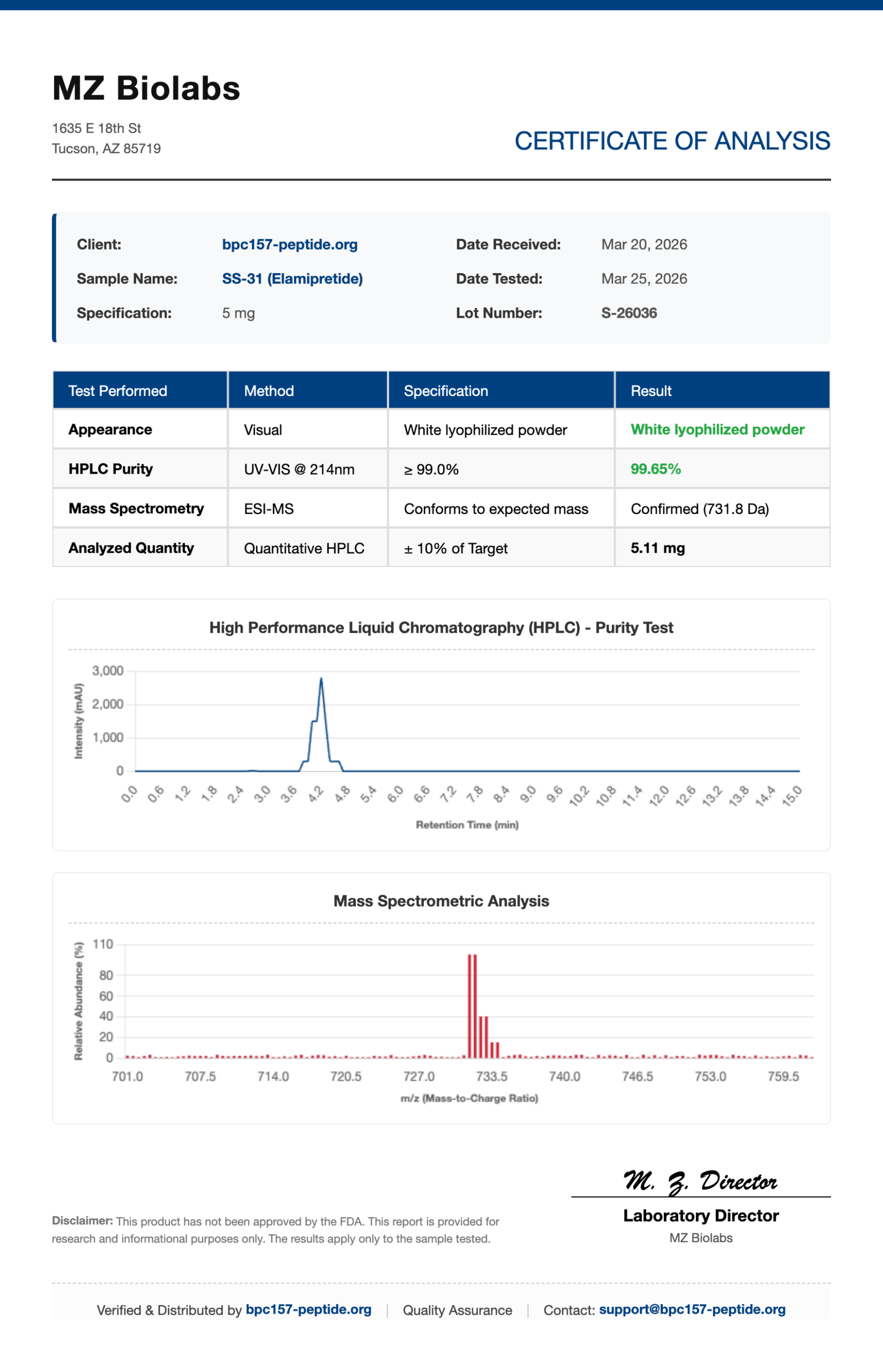
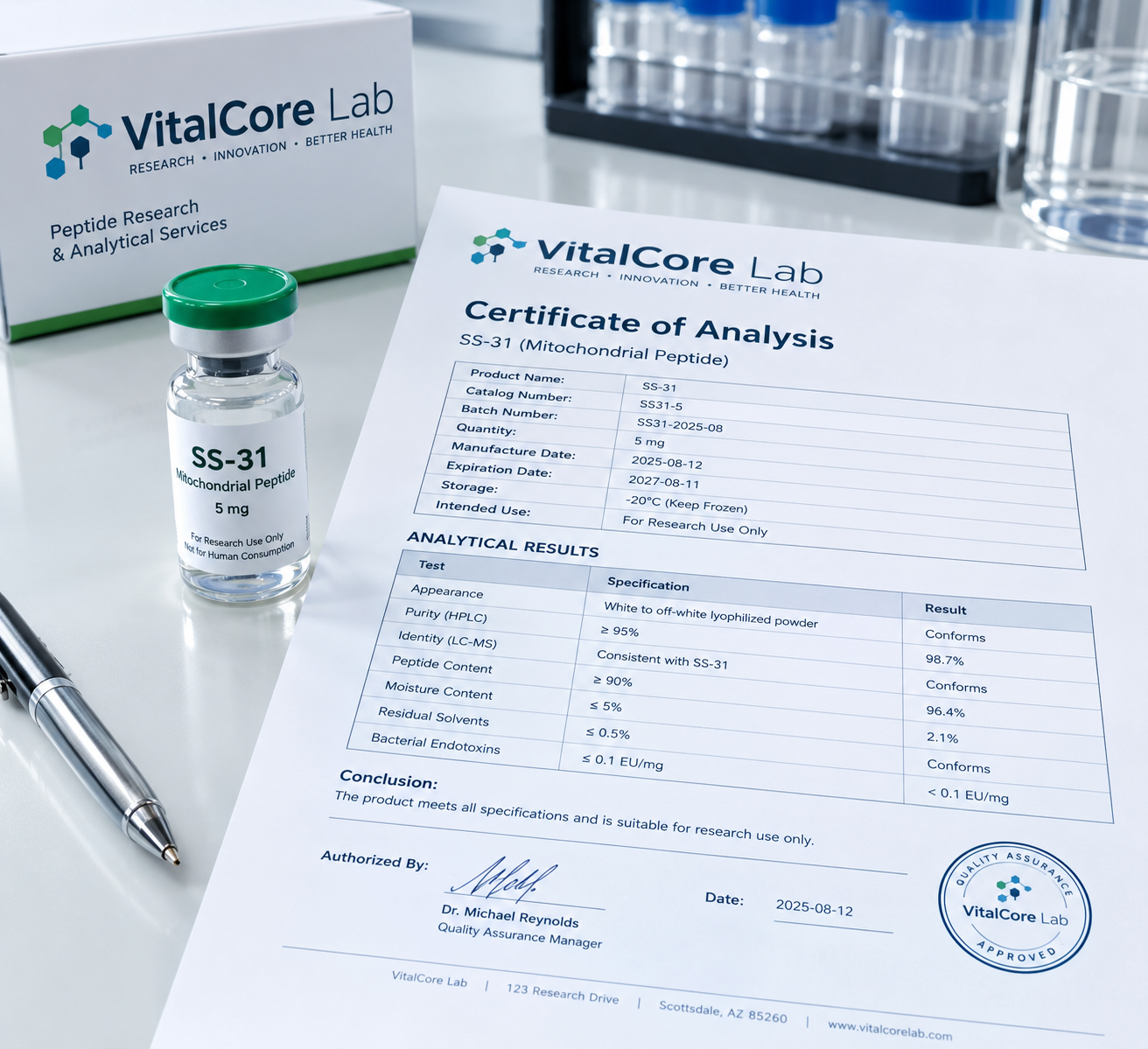
A stated purity of >99% indicates the product is presented with a high level of peptide purity. However, researchers should still rely on the applicable batch documentation and analytical data for their specific material.
This distinction is important.
Product-level information provides an overview. Batch-specific documentation provides more precise information about the individual material being evaluated.
Therefore, researchers should review the relevant analytical documentation before using the material in a study.
🧫 SS-31 in Mitochondrial Laboratory Models
Laboratory research involving SS-31 can be approached through different experimental models.
For example, researchers may use cellular systems to examine mitochondrial-related characteristics. Other studies may use biochemical systems to evaluate peptide interactions.
The appropriate model depends entirely on the research question.
In addition, different research models can produce different results. Therefore, findings from one model should not automatically be generalized to another.
This is particularly important when interpreting mitochondrial research.
Researchers should establish appropriate controls, experimental conditions, and analytical endpoints before beginning a study.
🔬 Potential Research Areas
SS-31 may be examined within research involving:
Mitochondrial structure:
Researchers can investigate how mitochondrial structures respond under defined experimental conditions.
Cellular energy systems:
Mitochondria are closely associated with cellular energy production, making them an important subject for biochemical research.
Oxidative research:
Researchers may investigate oxidative processes and cellular redox environments.
Membrane research:
The mitochondrial membrane provides an important area for studying peptide-membrane interactions.
Peptide characterization:
Researchers can examine identity, purity, molecular properties, and analytical behavior.
Cellular signaling:
Mitochondria participate in complex cellular signaling networks, creating additional areas for laboratory investigation.
These areas are research topics rather than claims of clinical benefit.
📋 SS-31 Research Documentation
Good research practices depend on reliable documentation.
For peptide research, documentation can help laboratories record the identity and characteristics of the material under evaluation.
Depending on the available documentation, researchers may review:
- Product identification
- Batch identification
- Stated purity
- Analytical results
- Quantity
- Manufacturing information
- Storage information
- Research-use designation
Keeping these records organized can make laboratory workflows easier to manage.
Furthermore, documenting the material used in each experiment supports reproducibility.
Researchers should retain relevant product and batch records according to their laboratory’s documentation procedures.
🧬 SS-31 Mitochondrial Peptide and Analytical Research
Analytical research is another important application area.
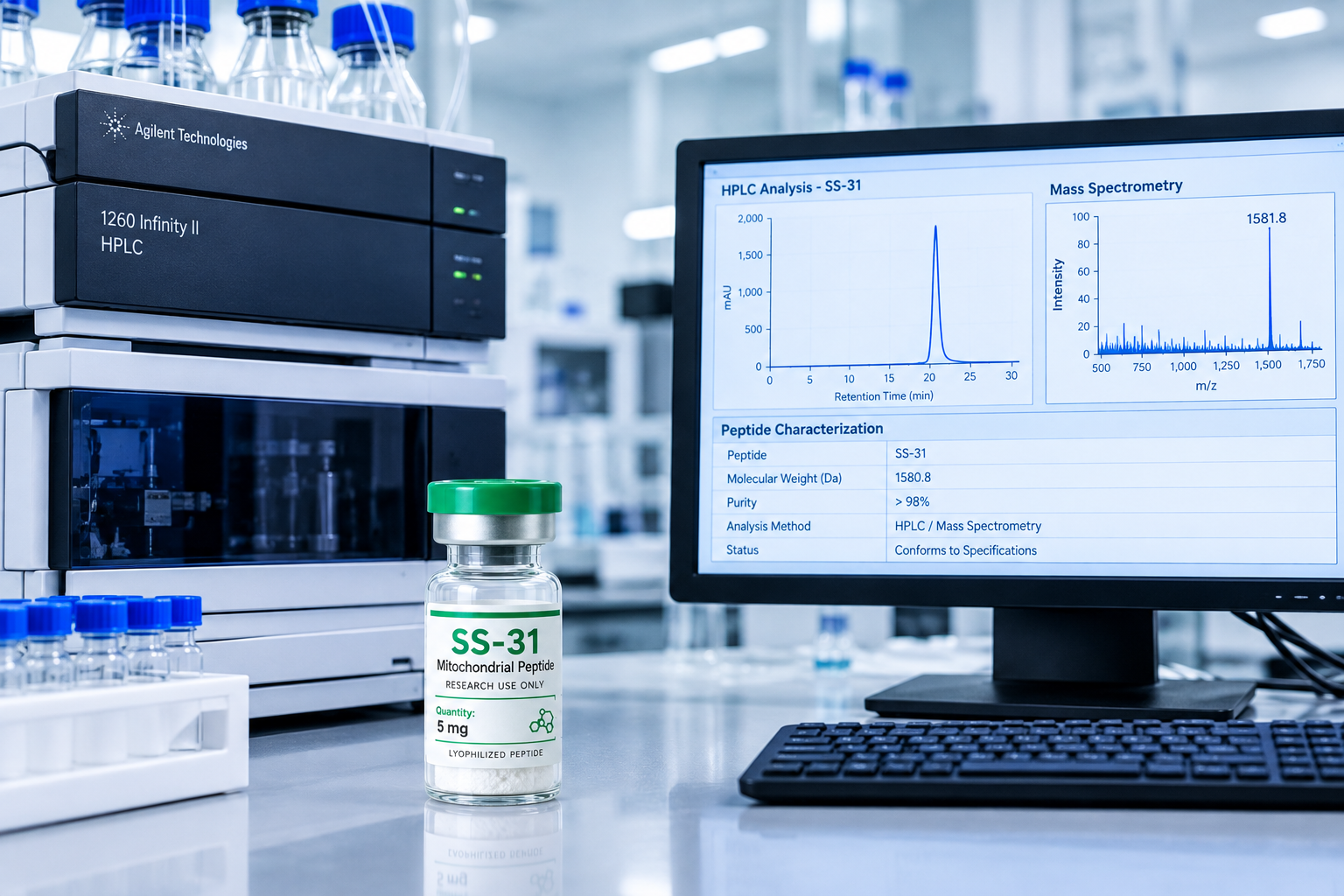
Researchers may use analytical techniques to evaluate peptide identity and composition. Depending on the study, chromatography can help separate peptide components, while mass spectrometry can provide molecular information.
Other analytical techniques may also be appropriate.
The selected method should be validated or otherwise suitable for the intended research purpose.
Because analytical requirements vary between laboratories, there is no single testing method that applies to every project.
Instead, researchers should select methods based on the question being investigated.
📈 Why Analytical Consistency Matters
Consistency allows researchers to compare results more effectively.
For instance, researchers studying several peptide batches may compare analytical profiles. They may also monitor changes over time under controlled experimental conditions.
Such work can provide useful information about peptide behavior.
However, conclusions should remain limited to the experimental evidence obtained.
This approach helps maintain scientific accuracy.
🧪 Laboratory Considerations for SS-31
Researchers working with SS-31 should establish appropriate laboratory procedures before beginning experimental work.
First, the material should be positively identified.
Next, researchers should review the applicable documentation. This can help confirm the material, batch, quantity, and available analytical information.
Afterward, the laboratory can establish its own research workflow.
Storage and handling should follow the product’s applicable documentation and the laboratory’s established procedures.
In addition, researchers should consider environmental factors that may affect peptide materials.
These can include temperature, exposure conditions, moisture, contamination risks, and repeated handling.
Good laboratory practice is therefore an important part of peptide research.
📦 Available SS-31 Vial Options
Vital Core Lab offers SS-31 in a range of vial sizes from 5mg through 50mg.
The different sizes provide flexibility for research planning.
Smaller quantities may be suitable for analytical evaluation or limited research projects. Larger quantities may be more appropriate where a laboratory requires additional material for a broader experimental program.
The selected quantity should be based on the requirements of the research project.
No specific dosage or administration guidance is provided because this product is intended for laboratory research use only.
🧬 SS-31 Research Peptide: Key Product Highlights
Here is a quick overview of the product.
| Product Feature | Description |
|---|---|
| Peptide | SS-31 |
| Research classification | Mitochondrial peptide |
| Quantity options | 5mg – 50mg |
| Purity | >99% stated purity |
| Research focus | Mitochondrial and peptide research |
| Format | Vial |
| Intended setting | Qualified laboratory research |
| Documentation | Review applicable batch documentation |
| Therapeutic positioning | Not intended as a therapeutic product |
This overview makes it easier to identify the key product characteristics at a glance.

🔬 Why Choose SS-31 for Peptide Research?
SS-31 offers researchers a defined peptide material for investigating mitochondrial-related scientific questions.
Its research interest comes from its mitochondrial-targeting characteristics and its role in experimental peptide research.
Moreover, its high stated purity provides researchers with a clearly defined material specification to evaluate alongside batch-specific documentation.
For laboratories conducting peptide or mitochondrial studies, consistent product identification is valuable.
At the same time, responsible research requires careful interpretation.
Researchers should avoid assuming that experimental observations automatically translate into clinical outcomes. Instead, results should be evaluated according to the specific experimental model, methodology, and controls used.
🧪 SS-31 Peptide Research Workflow
A structured research workflow can help laboratories maintain consistency.
1. Identify the Material
Confirm the peptide name, quantity, and product information.
2. Review Documentation
Review the applicable batch documentation and analytical information.
3. Establish Experimental Conditions
Define the research model, controls, variables, and analytical endpoints.
4. Conduct Laboratory Analysis
Use appropriate laboratory methods for the specific research question.
5. Record Observations
Maintain accurate records of experimental conditions and results.
6. Evaluate the Findings
Interpret the results within the limitations of the experimental model.
This structured approach supports more organized scientific research.
⚠️ Research-Use Statement
SS-31 from Vital Core Lab is presented for laboratory research purposes only.
It is not intended for human consumption, veterinary use, diagnosis, treatment, prevention, or mitigation of disease.
This product description does not provide medical advice, dosing instructions, administration instructions, or therapeutic recommendations.
Researchers are responsible for ensuring that their work complies with applicable laboratory procedures, institutional requirements, and relevant laws and regulations.
🧬 SS-31 Mitochondrial Peptide — Research Summary
SS-31 is a synthetic mitochondrial-targeted peptide that continues to attract interest within mitochondrial and peptide research.
Its scientific relevance provides several potential directions for laboratory investigation. These include mitochondrial biology, peptide characterization, membrane-related research, cellular energy systems, oxidative research, and analytical testing.
With 5mg–50mg vial options and a stated purity of >99%, the product is positioned as a defined research material for qualified laboratory environments.
Most importantly, researchers should evaluate the actual material using appropriate documentation and laboratory methods.
By combining careful material identification, analytical characterization, controlled experimental design, and accurate documentation, researchers can build a more reliable foundation for SS-31 research.
For laboratories studying mitochondrial systems, SS-31 provides an interesting peptide research subject that can be examined through a range of scientific approaches.

Reviews
There are no reviews yet.